
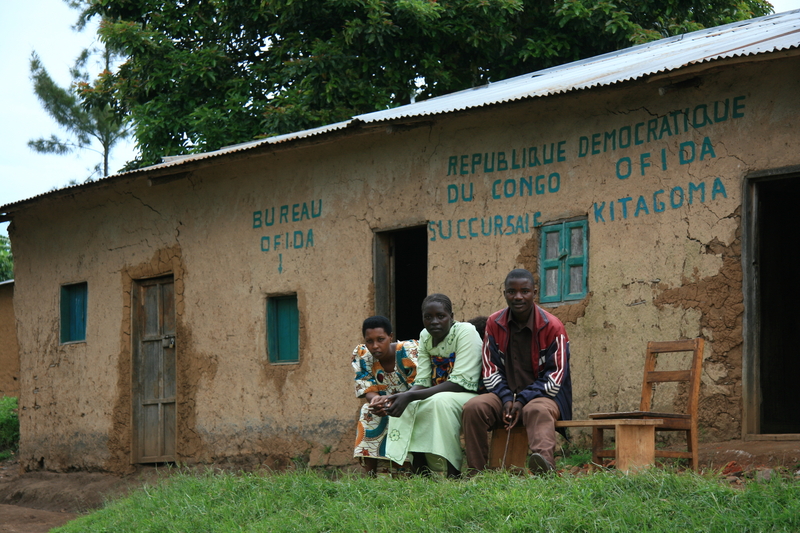
 One of the givens of war is collateral damage— the incidental destruction of property and human life not intended as part of a tactical military maneuver; also known as- the casualties of war. Each side in the conflict will report and dramatize the extent of collateral damage inflicted by the other side as if the intended targets were indeed the innocents. The propaganda and misinformation war waged alongside of the military conflict will always seek to claim moral justification for its retaliation by producing the most graphic images. The truth is
that too many innocent people are used as military shields, as propaganda tools, and, sadly, as actual targets. IF they have any military value whatsoever, they are expendable. Casualties of war.
Similarly, some of us have no idea of the collateral damage we leave in our wake. Some, to be sure, are glibly blind to the havoc they cause. They are simply stupid people who need to be confronted with their stupidity. It is those who have no issue with littering casualties along the way as long as they can achieve their personal goals that are at issue here. Why is it that some of us believe we have the right to use others, to step on them to climb one more rung up the ladder, to wound them deeply, and then to dispose of them as little more than rotting rubbish!?! And then they continue their climb up the ladder, suffering no moral or ethical pangs in what they have done.
Common decency and courtesy would seem to dictate that a simple apology containing some degree of civil or humane restitution would be in order. Yet if it remains with the abuser to put forth the contrition, to take the lower place, you may well have to provide your own snowballs in hell. Thus, just or not, it will most probably fall to you to take the lower place, and accordingly to rise to the level of bringing some reconciliation to the situation— even though you remain the collaterally damaged and discarded one . Ever heard this adage?
If you place yourself on top, there’s only one direction you can go.
If you place yourself on the bottom, there’s only one direction you can go.
Never, ever be the one who inflicts collateral damage on others!
Have a nice week,
Gary







 Let’s bring it down to earth again. Suppose you were assigned a task that seems virtually impossible. IMPOSSIBLE. Cannot be done, cannot work, under any circumstances! No way! Because of its impossible nature, why bother to even start it!?! Yet Tertullian presumed the inverse stance— its impossibility made it certain. If we were to assume that posture at work, in our home, in our relationships with difficult people (certainly impossible!), how might it affect our words, our actions and responses, or our emotions and attitudes? Not that the impossible isn’t difficult; but our attitude toward it might carry us closer to resolution than we might imagine. (Personally, I’ve long relished the reactions I evoke when I talk about how we intend to meet the challenges we face at NEEDinc. “That’s impossible!” Outwardly I respond with “Hummm. How so?” but inwardly I’m chuckling.)
 Clueless Christianity